NIH Common Fund Data Ecosystem to Speed Up Science
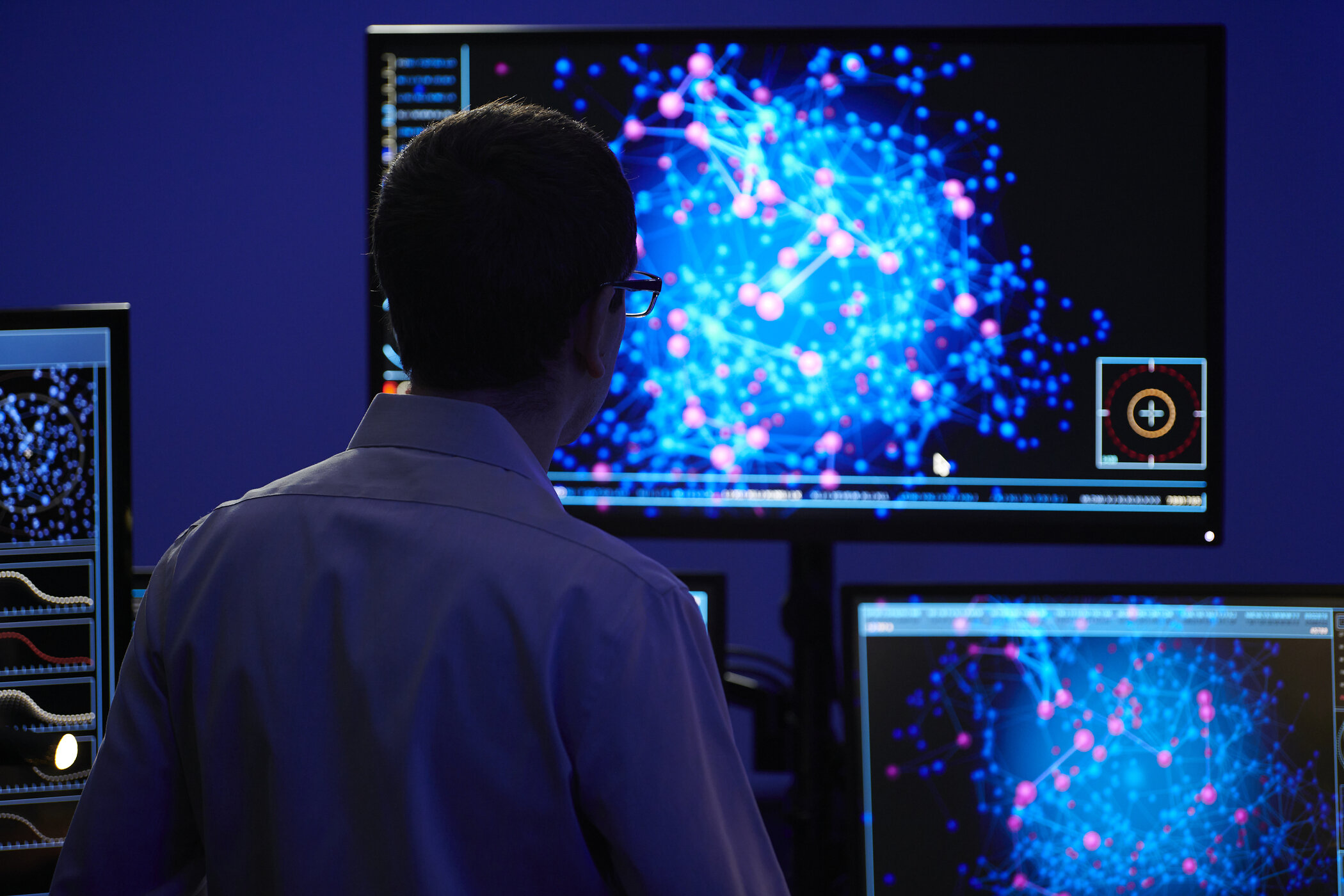
The University of Colorado Anschutz reported how the NIH Common Fund Data Ecosystem could accelerate scientific discovery. This major system helps researchers share facts and tools across different health projects. By working together, scientists can find answers to hard medical questions much faster than before.
What is the NIH Common Fund Data Ecosystem?
The NIH Common Fund creates special programs to solve big problems in health research. Usually, different research teams keep their information in separate databases. This setup makes it hard for one group to see what another group has learned. The new ecosystem connects these separate collections into one shared network.
Because the data is connected, scientists do not have to spend years gathering the same basic facts. They can search through massive amounts of shared information in a few minutes. This saves time and money for teams working on complex diseases.
How the NIH Common Fund Data Ecosystem could accelerate scientific discovery
When scientists share their information, they can spot patterns that no single team could see alone. For example, a group studying heart disease might find useful clues in data collected by a team studying diabetes. The new system lets computer programs compare these huge files automatically. This process helps doctors figure out which treatments might work best for patients.
This approach also helps young scientists who do not have big budgets. Through an NIH grant, researchers get the funding they need, but they also need access to high-quality information. The shared ecosystem gives every team the same strong starting point, no matter how small their lab is.
- Connects different science databases into one easy tool.
- Saves time so researchers can focus on finding cures.
- Helps experts spot hidden patterns across many diseases.
Why shared data matters for ordinary people
Most modern medicines take over ten years to move from a lab to a pharmacy. A lot of that time is spent running tests that other groups have already done elsewhere. When researchers share their results right away, they can skip repeated steps and build on real facts faster.
This means new tests and treatments could reach hospitals much sooner. For patients waiting for answers, faster science can save lives. It also means public tax dollars spent on health research are used in a smarter, more helpful way.
What happens next with this science data network?
The team at the University of Colorado Anschutz is looking at ways to make these tools even easier to use. More research groups are adding their facts to the shared system every month. As the dataset grows, computer systems will be able to run even better tests.
In the coming years, more universities will join this network. Keeping data open and clear will help science move at a much faster pace. People should watch for new medical discoveries that come directly from these connected databases.


Comments
Post a Comment