Brain Activity Patterns May Predict Alzheimer's Risk Early
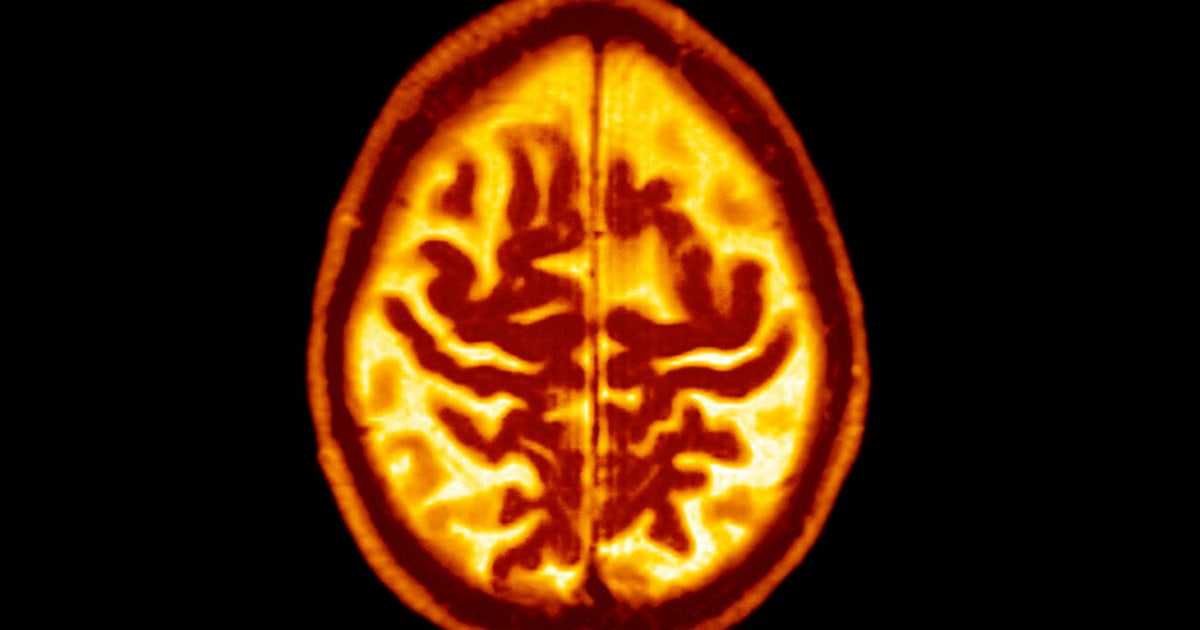
Scientists at Stanford Medicine found that brain activity patterns may predict Alzheimer's years before memory slips. This new discovery shows that the brain changes long before a person starts forgetting things. Doctors might soon use these signals to spot the disease early.
Can brain activity patterns predict Alzheimer's early?
Researchers looked closely at how the brain works before any memory problems start. They found special signals in brain activity patterns that act like an early alarm system. These tiny changes happen years before a person gets confused or forgets simple facts.
Finding these patterns early gives doctors a huge head start. Right now, most people only find out they have the disease after heavy memory loss begins. Catching the signs early means people can plan ahead and seek care much sooner in life.
What this new brain study means for you
This news offers real hope to millions of families across the world. Alzheimer's is a tough illness that affects how people think, remember, and handle daily tasks. Knowing that brain activity patterns show subtle signs early can make testing much more accurate in the future.
It also helps scientists build better tests for older adults. Instead of waiting for someone to lose their keys or forget a name, doctors can watch how the brain functions. Early testing could help families get answers long before major life changes happen.
How doctors spot Alzheimer's before memory slips
The human brain is always active, sending quick electrical signals back and forth. Stanford Medicine studied these complex signals to see what happens before damage takes hold. They noticed that specific patterns show up in people who later develop memory loss.
These early signs show that the illness starts long before anyone feels sick. Understanding these hidden steps helps experts learn how the disease grows over time. It brings the medical world one step closer to solving a massive health problem.
What to watch for as brain research continues
Scientists will keep studying these brain signals to see how accurate they are over many years. More tests are needed before local clinics can use these methods on everyday patients. However, the initial findings from Stanford Medicine mark a strong step forward for science.
In the future, a routine scan might check your brain health just like a standard blood test checks your heart. Researchers hope this work leads to simple checks during regular doctor visits. Keeping an eye on brain activity could soon become a normal part of growing older.


Comments
Post a Comment